
Articles

 Articles Mar 27, 2026
Thoughts from our CEO
In this blog series, our CEO Robin Tombs will be sharing his experience, whilst focusing on major themes, news and issues in the world of identity verification and age assurance. This month, Robin speaks about digital IDs, including the importance of choice and how they can make life increasingly difficult for fraudsters. But before getting into the rest of this piece, it’s important to first address the recent fine issued on Yoti by the Spanish regulator AEPD. Spanish regulator AEPD fining Yoti A growing number of individuals and organisations are now aware that Yoti has been fined €950,000

 Articles Feb 26, 2026
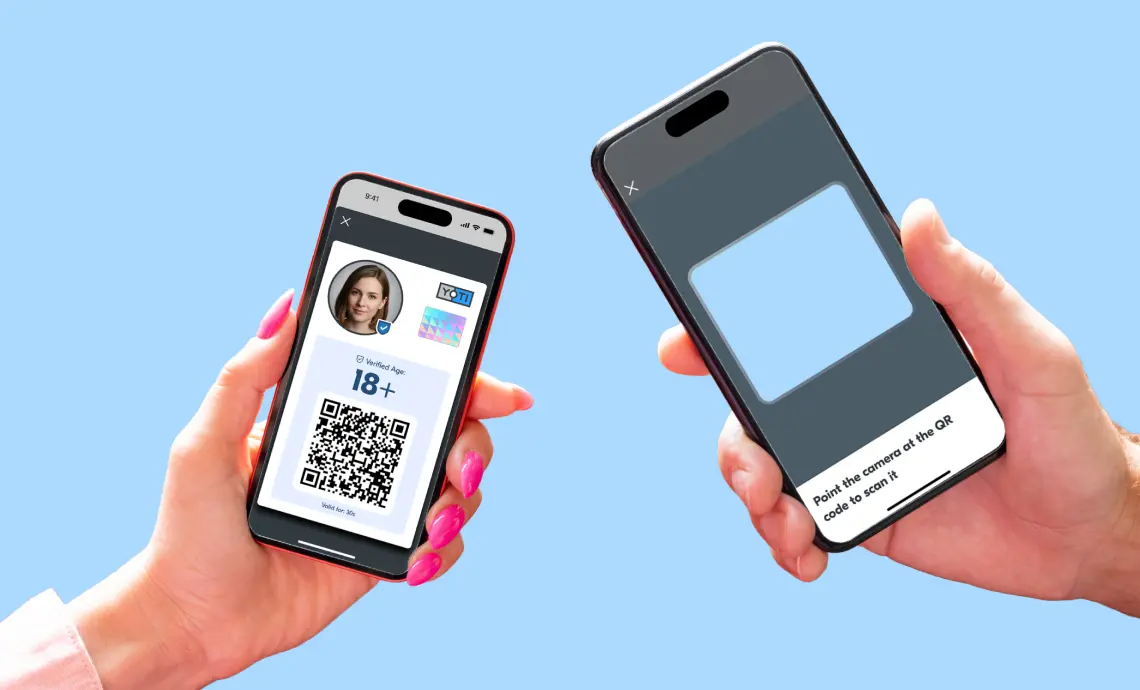
Digital ID for proof of age is coming. Here’s how to check it properly.
Millions of people are already using digital IDs to prove their age and identity, share their verified details with others or take more control over their personal data, all without needing a physical document. Soon, they’ll also be able to use them as proof of age when buying alcohol in licensed premises in the UK (once the mandatory licensing conditions are updated). This includes pubs, bars, restaurants, nightclubs and supermarkets. That’s a big shift in how age-restricted sales work and it’s why having a fast, reliable and low-friction way to check IDs matters for your business. How businesses

 Articles Feb 26, 2026
Updates to the UK MLRs have just changed the game for digital identity
For years, the UK has talked about digital identity as the key to faster onboarding, reduced fraud, better customer experiences, and stronger compliance. And yet, in much of regulated industry, the day-to-day reality has barely shifted. Why? Because compliance culture doesn’t move on optimism. It moves on defensible certainty. Until now, most compliance officers have been understandably risk-averse. Not because they dislike digital identity, but because they know what happens when a control fails: remediation programmes, supervisory challenge, awkward audit findings and reputational consequences. Even when the Joint Money Laundering Steering Group (JMLSG) referenced digital identity in June 2020,

 Articles Feb 24, 2026
Thoughts from our CEO: Building credibility with independent testing of facial age estimation
In this blog series, our CEO Robin Tombs will be sharing his experience, whilst focusing on major themes, news and issues in the world of identity verification and age assurance. This month, Robin chats about independent testing for accurate facial age estimation, using digital IDs for age-restricted purchases in store and the UK government’s digital ID wallet. Independent testing shows who truly meets the bar In February 2024, Ofcom published guidance that, for an age assurance process to be highly effective at age-gating children in practice, service providers should ensure the process meets 4 criteria: technically accurate, robust,
 Articles Feb 23, 2026
More ways to use and accept Digital IDs in the UK
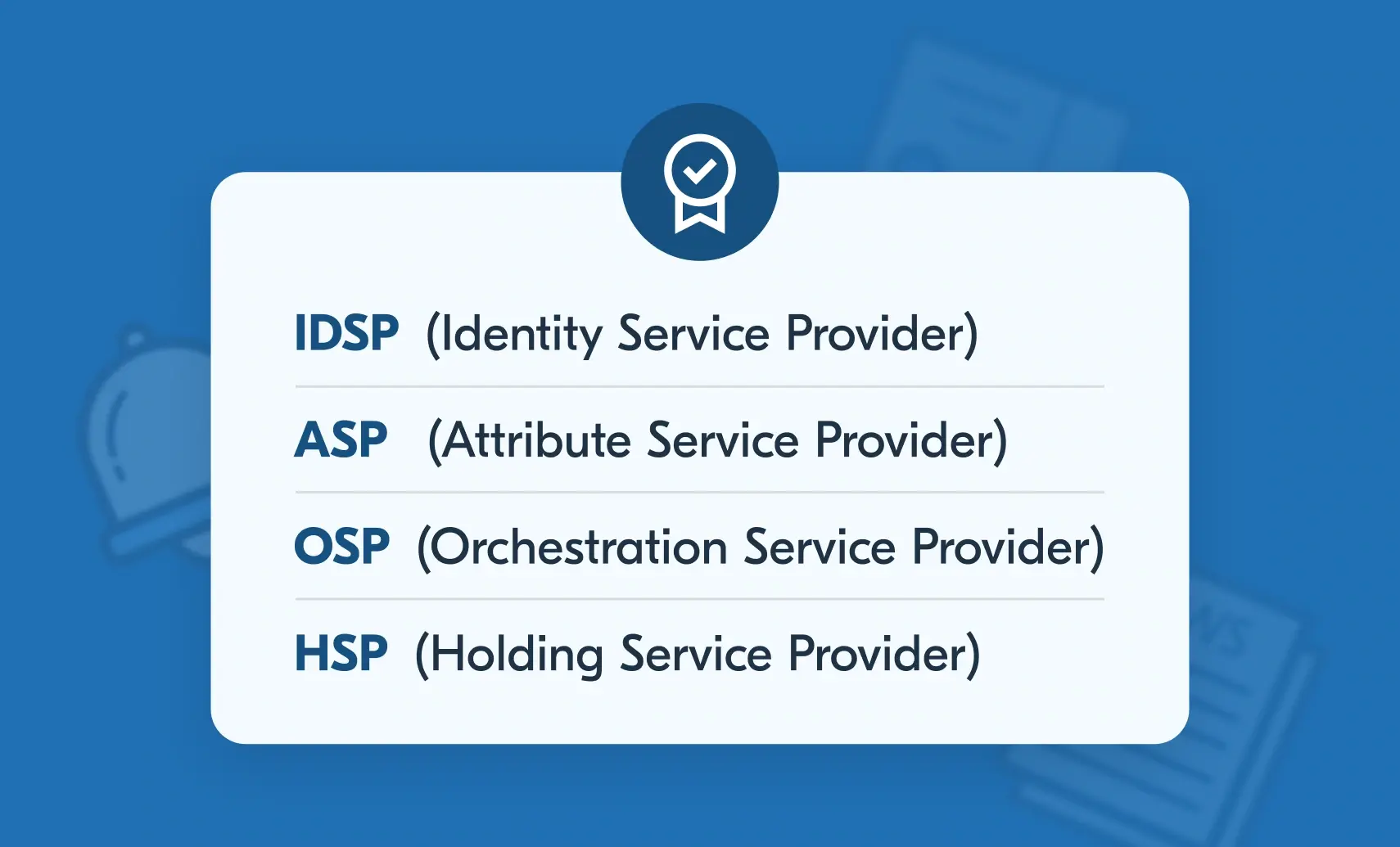
We’ve hit an important milestone in our journey to make our trusted and accessible digital IDs easier to use in the UK. Yoti has achieved Gamma (v0.4) certification under the UK Digital Identity and Attributes Trust Framework (UKDIATF). In practice, that means we’re now certified across four key roles: Identity Service Provider (IDSP) Attribute Service Provider (ASP) Holding Service Provider (HSP) Orchestration Service Provider (OSP) It confirms that Yoti meets the UK Government’s highest standards for secure, trusted digital identity services. It also means that we’re ready to support everyday use cases, like accessing age-restricted services and buying alcohol,
 Articles Feb 13, 2026
The evolution of presentation attack detection trends in 2025
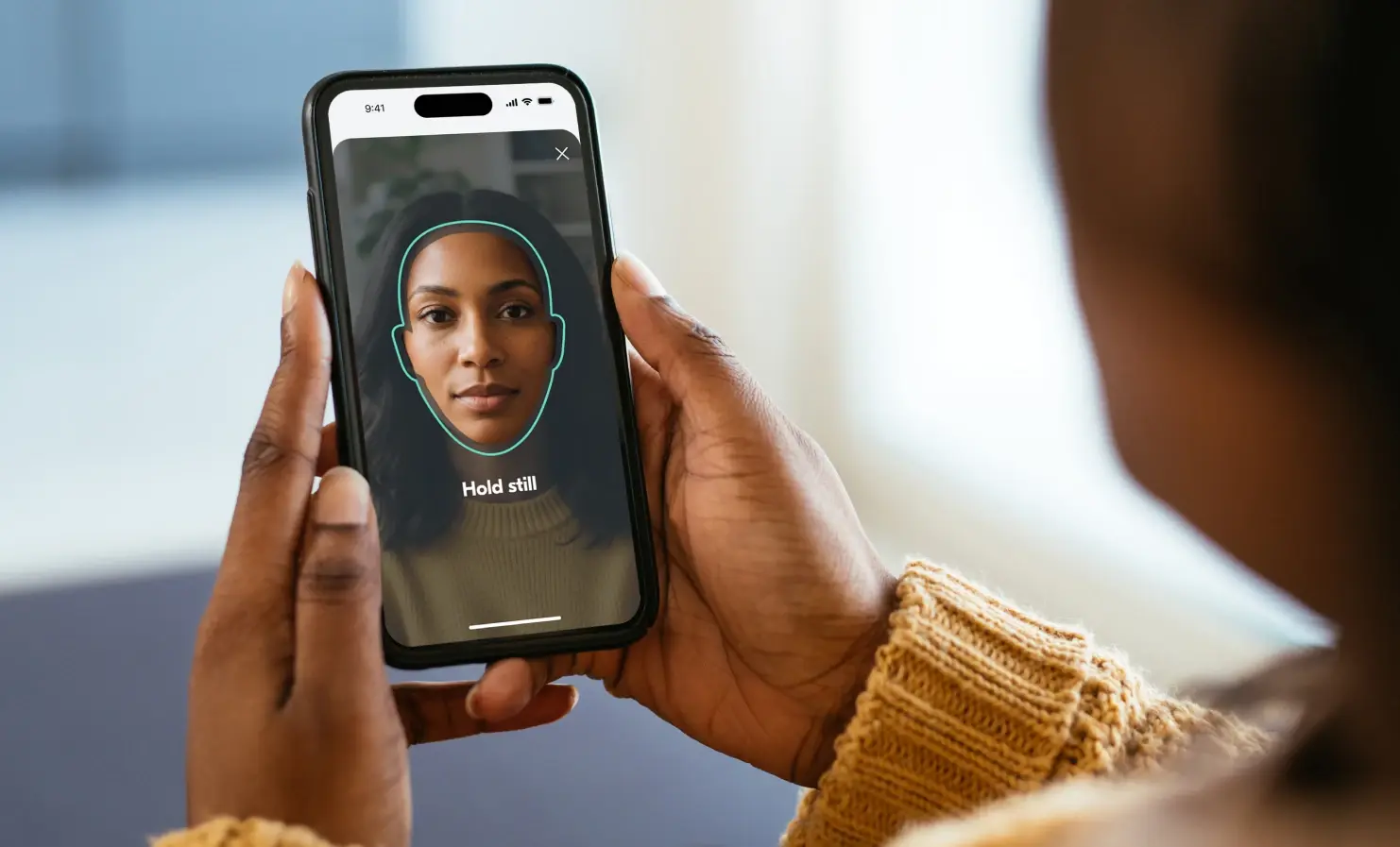
At Yoti, we perform millions of checks every week for our clients. A critical element of a robust check (whether that’s for age assurance, identity verification, digital IDs or authentication) is liveness detection, also known as Presentation Attack Detection (PAD). The purpose of liveness detection is simple but essential. It makes sure that the person being verified is physically present in front of the device camera in real time. Without liveness, checks are vulnerable to basic fraud attacks (such as using printed photos or screen replays) and more sophisticated AI attacks (like AI clones). For organisations relying on digital